Saturday, May 19, 2018
SHADES OF DARKNESS WINDOW TINTING: Do you have cloudy head light lens....??
SHADES OF DARKNESS WINDOW TINTING: Do you have cloudy head light lens....??: Are your Headlight lens faded, darkened, milky, dim, yellow, cloudy, out of focus... you have a problem.. Fix.. you can do...

Thursday, February 21, 2013
Do you have cloudy head light lens....??
Are your Headlight lens faded, darkened, milky, dim, yellow, cloudy, out of focus... you have a problem..


Fix.. you can do it your self... with kits but if you don't know what your doing.... your lens can become out of focus.. swirl effect.. and cost more to fix.. or purchase a new lens which depending on the car run upwards to $1200.00... Oh I miss the glass...lens The USA Auto manufacturer, in the 90"s, were required to make headlight lens of plastic. Auto style designs made it difficult for glass lens and plastic was the answer for such stylist shapes. Also the industry was mandated to reduce weight and plastic was the right substance for this reason.
[
 But this is a down function of having plastic lens.. they become out of focus because of discoloration which yellows,fades,clouds up,looks milky, diminish light which can be a hazard while driving at night.What cause the lens to discolor..? Heat is the Culprit.... each time you turn on your head lights the lens gets heated up..and expands allowing dirt, water,street grim of oil and such. When the headlight is turned off..the plastic contracts and what entered the plastic prior remain in the plastic and or within the leans compartment. Uv rays is another contributing factor for heating the outer layer of the plastic helping to worsen yellow or cloud the plastic lens.
 With 250 million auto's in the US and up to and possible over a third have discolored and faded headlight lens are the cause of multiple night accidents and going off the road.

Cloudy, foggy, yellowed plastic headlight lenses are a factor that impacts as many as nine out of ten cars on the road today. Driver's are unaware of this discoloration because we have our car washed by machines, and engine care done for us so we don't look at the lens.. just jump in and drive off due to our fast passed life. Also the fading is a slow process and drivers do not notice until it's to late.. and they can's see in front of them while driving at night. Or worse go off the road or collide into some thing or some one.. When you finally notice a problem with your lens something must be done because this condition will not become better. You can get kits and do it your self. The kits will take a short amount of time..but problems might arise ... and the slight improvement will not last long.
Or you can have them done for you.. it might cost more but it is warranted and last longer.. nothing stops the discoloration.. it does come back .. but if done properly it should last 3-5 years or longer... the kits.. will last months..in the long run you are better off to have it done for you...

You can't reverse UV Damage. If they are relatively clear and not too bad .....maybe. If they are amber yellow - the only way is to remove the UV Damaged Layer. (yes - That means sanding) and buffing until clear. That means with several grades of sandpaper.. if improperly done you can have distorted vision.

Without the final step, an outer spray coat of protection is not applied after cleaning and sanding all your work was in vain.. A protection that you need to spray has UV inhibiting properties.
"Understanding Modern Headlights on Today’s Cars". By Barry Theal Describes it best
"Often the littlest things on a car can make a huge difference in both safety and appearance for you and your fine automobile. Today’s modern headlights can quickly become hazed and yellow. This is a result of oxidation to the UV coating on the lens. In some cases the lens can be polished without disturbing the coating to a like new finish.

Others will have to have a more complicated approach to resurface and restore. In this article I will explain why this happens and what you can do to properly fix it. Headlights use to be made of glass prior to 1980. Eventually manufacturers in the automobile industry were changing designs and needed something they could easily form to a mold. Thus they began to look into newer sleeker materials that were lighter and could contour to a more aerodynamic shape. They ended up using a material called polycarbonate or the proper name Lexan.
Polycarbonate is used in many products today; ranging from sunglasses, safety glass, eye glasses, to basketball backboards. It’s a very tough durable material, virtually impact resistant as well. The weight is much lighter then glass which plays a major role in today’s modern sports cars. While polycarbonate has many great features it also has several downsides that could cause a concern for drivers today. Polycarbonate alone is not able to hold up to environmental issues like the sun. Over time it will become very dull and faded. Next, manufacturers decided to put an Ultra Violet coating over the lens to prevent this from happening.
While this was a great fix to keeping the polycarbonate from fading and dull out instantly while underneath the sun’s rays, it also has issues. The easiest way for me to explain this coating is like clear coat on a car. Clear coats purpose was to add protection to the paint. Remember how older cars often oxidized. We have all seen those pink cars that were once red. This is the same thing that happens to the coating. It oxidizes and fades to a dull look. This robs from a vehicles’ overall finish, and also brings a very big safety concern. Over time this dull appearance will block light transfer and the headlight will not be able to produce the amazing brightness it once had. Over the years many companies have claimed that they can restore headlights to new condition by sanding and polishing them out. This is often referred to as a “scuff and buff” fix. From first glance, the result can be amazing. However, this is not the best approach. During this process the factory installed UV coating has been removed.
Once this coating is removed there is no wax or sealant that will be able to hold long lasting results once the protection has worn down. The polycarbonate lens will actually fade 3 times as fast. This usually happens with in 3-5 months of the scuff and buff fix.
Over time you will constantly have to have your headlamps sanded and polish. Most places can charge in the range of $80 – 150 dollars for this. This is a complete waste of time and money for the consumer. Some may say 80 bucks isn’t all that bad twice a year. The problem isn’t within the cost itself.
The concern is that polycarbonate is only so thick, repeated sanding and polishing will ruin the lens permanently. In order to restore the lens back to its standards a new UV coating must be re-applied. There are several companies who can provide the coating. I will leave out all company names so no promotional advertisements are provided."
The bitterness of poor quality remains long after the sweetness of low price is forgotten. -Benjamin Franklin
As a detail lens restorer, It take a few hours.. sand layers of with several grades of sand paper.. then spraying a layer of UV coating and letting that dry.. sometimes, depending on weather condition , the car must stay over night to allow the drying process to cure right.. If to rainy or snowing or cold.. the moisture slows down this process.. I am now able to provide a long lasting result that I can provide with a warranty.
For quality detailing
(Smoked tail lens is also available)
Shades of Darkness Window Tinting
within Shockwave Customs
located at 26 e. Lincoln Hwy, Frankfort, Illinois 60423
phone.. 815-469-9141
ask for Wayne for price and schedule
price varies do to style of lens and cloudiness of Headlight lens.
 Bring back the brilliants, safety, and style of your car.


Or you can have them done for you.. it might cost more but it is warranted and last longer.. nothing stops the discoloration.. it does come back .. but if done properly it should last 3-5 years or longer... the kits.. will last months..in the long run you are better off to have it done for you...

Without the final step, an outer spray coat of protection is not applied after cleaning and sanding all your work was in vain.. A protection that you need to spray has UV inhibiting properties.
"Understanding Modern Headlights on Today’s Cars". By Barry Theal Describes it best
"Often the littlest things on a car can make a huge difference in both safety and appearance for you and your fine automobile. Today’s modern headlights can quickly become hazed and yellow. This is a result of oxidation to the UV coating on the lens. In some cases the lens can be polished without disturbing the coating to a like new finish.

Others will have to have a more complicated approach to resurface and restore. In this article I will explain why this happens and what you can do to properly fix it. Headlights use to be made of glass prior to 1980. Eventually manufacturers in the automobile industry were changing designs and needed something they could easily form to a mold. Thus they began to look into newer sleeker materials that were lighter and could contour to a more aerodynamic shape. They ended up using a material called polycarbonate or the proper name Lexan.
Polycarbonate is used in many products today; ranging from sunglasses, safety glass, eye glasses, to basketball backboards. It’s a very tough durable material, virtually impact resistant as well. The weight is much lighter then glass which plays a major role in today’s modern sports cars. While polycarbonate has many great features it also has several downsides that could cause a concern for drivers today. Polycarbonate alone is not able to hold up to environmental issues like the sun. Over time it will become very dull and faded. Next, manufacturers decided to put an Ultra Violet coating over the lens to prevent this from happening.
While this was a great fix to keeping the polycarbonate from fading and dull out instantly while underneath the sun’s rays, it also has issues. The easiest way for me to explain this coating is like clear coat on a car. Clear coats purpose was to add protection to the paint. Remember how older cars often oxidized. We have all seen those pink cars that were once red. This is the same thing that happens to the coating. It oxidizes and fades to a dull look. This robs from a vehicles’ overall finish, and also brings a very big safety concern. Over time this dull appearance will block light transfer and the headlight will not be able to produce the amazing brightness it once had. Over the years many companies have claimed that they can restore headlights to new condition by sanding and polishing them out. This is often referred to as a “scuff and buff” fix. From first glance, the result can be amazing. However, this is not the best approach. During this process the factory installed UV coating has been removed.
Once this coating is removed there is no wax or sealant that will be able to hold long lasting results once the protection has worn down. The polycarbonate lens will actually fade 3 times as fast. This usually happens with in 3-5 months of the scuff and buff fix.
Over time you will constantly have to have your headlamps sanded and polish. Most places can charge in the range of $80 – 150 dollars for this. This is a complete waste of time and money for the consumer. Some may say 80 bucks isn’t all that bad twice a year. The problem isn’t within the cost itself.
The concern is that polycarbonate is only so thick, repeated sanding and polishing will ruin the lens permanently. In order to restore the lens back to its standards a new UV coating must be re-applied. There are several companies who can provide the coating. I will leave out all company names so no promotional advertisements are provided."
The bitterness of poor quality remains long after the sweetness of low price is forgotten. -Benjamin Franklin
As a detail lens restorer, It take a few hours.. sand layers of with several grades of sand paper.. then spraying a layer of UV coating and letting that dry.. sometimes, depending on weather condition , the car must stay over night to allow the drying process to cure right.. If to rainy or snowing or cold.. the moisture slows down this process.. I am now able to provide a long lasting result that I can provide with a warranty.
For quality detailing
(Smoked tail lens is also available)
Shades of Darkness Window Tinting
within Shockwave Customs
located at 26 e. Lincoln Hwy, Frankfort, Illinois 60423
phone.. 815-469-9141
ask for Wayne for price and schedule
price varies do to style of lens and cloudiness of Headlight lens.

Tuesday, February 12, 2013

Thursday, February 7, 2013
7 Reasons to Tint Your Car Windows
7 Reasons to Tint Your Car Windows
Today's window film is extremely efficient at controlling the effects of solar energy. Films can provide up to 78% heat reduction as compared to untreated glass.
Shattering glass is a hazard when accidents happen, or when vandalism or environmental effects cause breakage. The protection offered by window films can provide a functional "safety net" that will make you feel secure.
Window film blocks 99% of UV rays, providing a sunscreen while reducing solar heat. Minimizing these causes of fading protects your valuable furnishings.
A smart, uniform look improves the appearance of the exterior of your automobile. Several window film products can create this gratifying look.
There is no need to put up with annoying glare. Whatever the cause - direct sun, reflections from snow, water, or surrounding buildings - there is an ideal film solution.
Professional installation is fast and non- intrusive. There's minimal disruption to occupants' lifestyle, activities, or work schedules.
Don't live with temperature imbalances caused by areas of extreme sun or shade, which can limit use of interior space. Window film can remedy this problem and reduce air conditioning costs
Sunday, January 27, 2013
Elite Window Tinting Service
 Being an elite window tinting service works with assured expectations. Shades of Darkness Window Tinting rises to the function by using some of the highest skilled window tint professionals boasting years of experience. Our specialist window tinting technicians use window tinting film that line up better than films that are out there. which actually have impressed clients time and time again. Each window tint films comes with a Factory Finish, a 99.9% UV Protection Rate and is backed by a 100% Lifetime Warranty. Discover for yourself why increasingly more people are choosing Shades of Darkness Window Tinting for their window tinting needs.
Clearly a top-notch window tinting service works with assured expectations. Shades of Darkness Window Tinting rises to the occasion by using some of the highest skilled window tint providers boasting years of experience. Our specialist window tinting technicians use film that exceeds other films that are out there. which actually have impressed clients time and time again. Each window tint films comes with a Factory Finish, a 99.9% UV Protection Rate and is backed by a 100% Lifetime Warranty. See for yourself why more and more individuals are choosing Shades of Darkness Window Tinting for their window tinting needs.
Being an elite window tinting service works with assured expectations. Shades of Darkness Window Tinting rises to the function by using some of the highest skilled window tint professionals boasting years of experience. Our specialist window tinting technicians use window tinting film that line up better than films that are out there. which actually have impressed clients time and time again. Each window tint films comes with a Factory Finish, a 99.9% UV Protection Rate and is backed by a 100% Lifetime Warranty. Discover for yourself why increasingly more people are choosing Shades of Darkness Window Tinting for their window tinting needs.
Clearly a top-notch window tinting service works with assured expectations. Shades of Darkness Window Tinting rises to the occasion by using some of the highest skilled window tint providers boasting years of experience. Our specialist window tinting technicians use film that exceeds other films that are out there. which actually have impressed clients time and time again. Each window tint films comes with a Factory Finish, a 99.9% UV Protection Rate and is backed by a 100% Lifetime Warranty. See for yourself why more and more individuals are choosing Shades of Darkness Window Tinting for their window tinting needs.
Saturday, January 26, 2013
Your Windows are tinted..now what..?
 Tint does all kinds of crazy looking things before it dries out.
After tinting you will always notice small water pockets and a slight haziness to the film all of this SHOULD dry out. DON'T touch the water pockets, leave them alone they should dry out. In the winter or colder days it takes about a week to dry out.
DO NOT ROLL DOWN YOUR TINTED WINDOWS.. UNTIL TOTALLY DRY..it will loosen the tint and peel.
On colder days your defroster will not hurt the tint at all if anything its helping it dry faster.
Don't open your door too often because the window lowers when you open the door and goes back up when you close it.
When the window film is in place you will have a cooler car.. This allows you to use less energy to cool the car on hot days.
ALSO ROTATE HOW YOU PARK YOUR CAR.. NOT IN THE SAME SPOT.. OR ONE SIDE COULD BE DARKER THAN THE OTHER.
When the car window tint is applied to the window, the product will use quality adhesive. This ensures the likeliness of the glass shattering drops drastically. This means that when you get this product installed into your car you will be improving the overall safety rating of your car to ensure that you and your passengers are as safe as possible while in your vehicle.
Major player in many people’s eyes is the subject of skin cancer. Many who spend a lot of time in cars will know that the prolonged exposure to the sun can cause many problems. In the sunny climates all over the world this is even more prevalent. Many people know that if you go out into the sun you wear sunscreen. However, this is not so when people think about driving. This lessened use of sunscreen in automobiles can cause problems. Car window tinting can help to reduce the exposure of the harmful UV rays that have been proven to cause cancer. This means that you do not have to worry as much about your exposure levels.
On top of your skin thanking you for this, your car will as well. The extended exposure of the UV rays from the sun on the inside of the car cause the parts to dull and lose their new look. It can also make leather crack. The window tinting is yet another layer of protection you can add to your car’s interior to reduce these risks.
Then you get to another reason that many people already know. Car window tinting will increase the level of privacy within your car. This means that people will not be able to look into your back seat and see what is there. If a potential thief does not know what is in the cab of your car you will lessen the chance of becoming a target. This safety precaution is good not only for the items in the car, but your car’s windows as well.
Tint does all kinds of crazy looking things before it dries out.
After tinting you will always notice small water pockets and a slight haziness to the film all of this SHOULD dry out. DON'T touch the water pockets, leave them alone they should dry out. In the winter or colder days it takes about a week to dry out.
DO NOT ROLL DOWN YOUR TINTED WINDOWS.. UNTIL TOTALLY DRY..it will loosen the tint and peel.
On colder days your defroster will not hurt the tint at all if anything its helping it dry faster.
Don't open your door too often because the window lowers when you open the door and goes back up when you close it.
When the window film is in place you will have a cooler car.. This allows you to use less energy to cool the car on hot days.
ALSO ROTATE HOW YOU PARK YOUR CAR.. NOT IN THE SAME SPOT.. OR ONE SIDE COULD BE DARKER THAN THE OTHER.
When the car window tint is applied to the window, the product will use quality adhesive. This ensures the likeliness of the glass shattering drops drastically. This means that when you get this product installed into your car you will be improving the overall safety rating of your car to ensure that you and your passengers are as safe as possible while in your vehicle.
Major player in many people’s eyes is the subject of skin cancer. Many who spend a lot of time in cars will know that the prolonged exposure to the sun can cause many problems. In the sunny climates all over the world this is even more prevalent. Many people know that if you go out into the sun you wear sunscreen. However, this is not so when people think about driving. This lessened use of sunscreen in automobiles can cause problems. Car window tinting can help to reduce the exposure of the harmful UV rays that have been proven to cause cancer. This means that you do not have to worry as much about your exposure levels.
On top of your skin thanking you for this, your car will as well. The extended exposure of the UV rays from the sun on the inside of the car cause the parts to dull and lose their new look. It can also make leather crack. The window tinting is yet another layer of protection you can add to your car’s interior to reduce these risks.
Then you get to another reason that many people already know. Car window tinting will increase the level of privacy within your car. This means that people will not be able to look into your back seat and see what is there. If a potential thief does not know what is in the cab of your car you will lessen the chance of becoming a target. This safety precaution is good not only for the items in the car, but your car’s windows as well.
Thursday, January 24, 2013
REASONS SHADES OF DARKNESS WINDOW TINTING IS NEEDED..
Picture of changes in facial skin with age WITHOUT WINDOW TINT.
 The suns rays have a profound effect on the skin causing premature skin aging, skin cancer, and a host of skin changes. Without window tint your face and left side is exposure to ultraviolet light, UVA or UVB. Sunlight accounts for 90% of the symptoms of premature skin aging. Many skin alters that were commonly believed to be due to aging, such as easy bruising, are actually a result of prolonged exposure to UV radiation and can be prevented by Window Tint.
What is UV Radiation?
The sun gives off ultraviolet radiation that we divide into classes based on the wavelength.
UVC - 100 to 290 nm
UVB - 290 to 320 nm
UVA - 320 to 400 nm
UVC Rays
UVC rays is almost completely absorbed by the ozone layer and does not affect the skin. UVC rays can be found in artificial sources such as mercury arc lamps and germicidal lamps.
UVB Rays
UVB affects the outer layer of skin, the epidermis, and is the main agent responsible for sunburns. It is the extremely intense between the hours of 10:00 am and 2:00 pm when the sun is brightest. Also strongest in the summer months accounting for 70% of a person's yearly UVB dose. UVB does not penetrate glass.
UVA Radiation
UVA was once thought to have a minor effect on skin distruction now studies are showing that UVA is a major factor to skin damage. UVA penetrates deeper into the skin and works considerably damage. The intensity of UVA rays is considerably constant than UVB without the alternatives during the day and throughout the year. UVA is also not filtered by glass and the reason to have window tint applied.
The suns rays have a profound effect on the skin causing premature skin aging, skin cancer, and a host of skin changes. Without window tint your face and left side is exposure to ultraviolet light, UVA or UVB. Sunlight accounts for 90% of the symptoms of premature skin aging. Many skin alters that were commonly believed to be due to aging, such as easy bruising, are actually a result of prolonged exposure to UV radiation and can be prevented by Window Tint.
What is UV Radiation?
The sun gives off ultraviolet radiation that we divide into classes based on the wavelength.
UVC - 100 to 290 nm
UVB - 290 to 320 nm
UVA - 320 to 400 nm
UVC Rays
UVC rays is almost completely absorbed by the ozone layer and does not affect the skin. UVC rays can be found in artificial sources such as mercury arc lamps and germicidal lamps.
UVB Rays
UVB affects the outer layer of skin, the epidermis, and is the main agent responsible for sunburns. It is the extremely intense between the hours of 10:00 am and 2:00 pm when the sun is brightest. Also strongest in the summer months accounting for 70% of a person's yearly UVB dose. UVB does not penetrate glass.
UVA Radiation
UVA was once thought to have a minor effect on skin distruction now studies are showing that UVA is a major factor to skin damage. UVA penetrates deeper into the skin and works considerably damage. The intensity of UVA rays is considerably constant than UVB without the alternatives during the day and throughout the year. UVA is also not filtered by glass and the reason to have window tint applied.
The suns rays have a profound effect on the skin causing premature skin aging, skin cancer, and a host of skin changes. Without window tint your face and left side is exposure to ultraviolet light, UVA or UVB. Sunlight accounts for 90% of the symptoms of premature skin aging. Many skin alters that were commonly believed to be due to aging, such as easy bruising, are actually a result of prolonged exposure to UV radiation and can be prevented by Window Tint.
What is UV Radiation?
The sun gives off ultraviolet radiation that we divide into classes based on the wavelength.
UVC - 100 to 290 nm
UVB - 290 to 320 nm
UVA - 320 to 400 nm
UVC Rays
UVC rays is almost completely absorbed by the ozone layer and does not affect the skin. UVC rays can be found in artificial sources such as mercury arc lamps and germicidal lamps.
UVB Rays
UVB affects the outer layer of skin, the epidermis, and is the main agent responsible for sunburns. It is the extremely intense between the hours of 10:00 am and 2:00 pm when the sun is brightest. Also strongest in the summer months accounting for 70% of a person's yearly UVB dose. UVB does not penetrate glass.
UVA Radiation
UVA was once thought to have a minor effect on skin distruction now studies are showing that UVA is a major factor to skin damage. UVA penetrates deeper into the skin and works considerably damage. The intensity of UVA rays is considerably constant than UVB without the alternatives during the day and throughout the year. UVA is also not filtered by glass and the reason to have window tint applied.
Monday, January 21, 2013
Window Tint (FILM) Not ALL THE SAME
Not all films are appropriate for all glass. You must consider the absorption coefficient of the glass and the film, the mass of the pane, the depth of the glass, the composition of the window - is it single pane, insulated glass, treated with a low-emissivity coating, or glaze, laminated or toughened.
Information on the adequate choosing of film for the glass is vital to guaranteed that the glass does not crack as a result of thermal strain. Unfortunately, it is possible that a window may crack consequent to the application of an appropriate film, because the pane has been harmed during the glazing of the window, or as a result of motion of the building or other physical pressures that are not noticeable at the time of the application the film.
Glass may crack following to the apply sign writing or if heavy, thermal drapes are hung close to the glass, particularly if the sides of the glass are already weakened.
The possibilities of glass breakage occurring following the application of tint or sign writing or the hanging of drapes, are very limited. On the flip side damage can take place and it is unachievable to foresee the edge condition of the glass without removing it from the frame - a that is not practical.
Automobile window tinting decreases the visible light transmission (VLT) through car windows. This can be difficult at night, because motorists must be able to see threw the windows of other vehicles in order TO spot dangers which would otherwise be impeded. Police in addition may want to be able to investigate the passengers in a vehicle.
In many towns, there are laws to ensure darkness of films do not provide a danger to motorists
**** JANUARY AUTO TINT SPECIAL*****
TINT SPECIAL¯ _ ¯ _
 SHADES OF DARKNESS WINDOW TINTING
LOCATED AT
SHOCKWAVE CUSTOMS
26 E. LINCOLN HWY
FRANKFORT, ILLINOIS
JANUARY TINT SPECIAL.....
2 DR....$160.00
4 DR $200.00
CALL ..WAYNE TO SCHEDULE APPOINTMENT
815-469-9141
219-359-5108
Location: SO SW BURBS
SHADES OF DARKNESS WINDOW TINTING
LOCATED AT
SHOCKWAVE CUSTOMS
26 E. LINCOLN HWY
FRANKFORT, ILLINOIS
JANUARY TINT SPECIAL.....
2 DR....$160.00
4 DR $200.00
CALL ..WAYNE TO SCHEDULE APPOINTMENT
815-469-9141
219-359-5108
Location: SO SW BURBS
SHADES OF DARKNESS WINDOW TINTING
LOCATED AT
SHOCKWAVE CUSTOMS
26 E. LINCOLN HWY
FRANKFORT, ILLINOIS
JANUARY TINT SPECIAL.....
2 DR....$160.00
4 DR $200.00
CALL ..WAYNE TO SCHEDULE APPOINTMENT
815-469-9141
219-359-5108
Location: SO SW BURBS
Friday, January 11, 2013
LAWS..LAWS..LAWS EACH STATE IS DIFFERENT
Illinois Window Tint Law
HB3325 IS NOW LAW! Public Act 096-0815, effective 10/30/2009
35% Front/35% Rear or 50% Front/30% Rear
UNDER 30% ON ANY REAR WINDOW MAKES IT ILLEGAL TO TINT IN FRONT (unless vehicle is classified "MPV" and has privacy glass - 50% Front)
UPDATE: 5-5-10. NBC5 aired a report on the "Tinted Windows" issue in Chicago on 5-5-10.
UPDATE: 11-24-9. We continue to hear of stories that folks are still getting tint tickets (including a few close friends). The word from Andrea at the Illinois Capitol Office is that as long as you have legal tint under the current law contained in HB 3325, you should contest the ticket.
State Window Tint Laws
http://www.windowtint.com/state-window-tint-laws.html
Each state varies in the amount of window tint light transmission allowed for your car. We have listed below by State a current applicable reference guide to allowed window film darkness related to each state window tint law. It is important that you cross reference the state window tint law pertaining to your state so that you will not get a ticket and have to remove your car window tinting film.


Tuesday, January 8, 2013
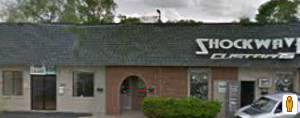
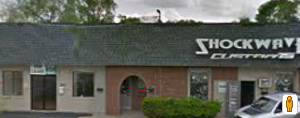
NEW LOCATION
Shades of Darkness Window Tinting has join with Shockwave Customs
located at 26 East Lincoln Highway
Frankfort, Illinois 60423
phone..815-469-9141
cell......219-359-5108
THIS MONTHS SPECIAL.. 2-DR FOR $140.00... APPOINTMENT NECESSARY
View Larger Map
View Larger Map
Sunday, January 6, 2013


Monday, December 31, 2012
Friday, December 28, 2012

Thursday, December 27, 2012

Besides the percentage there is color and layers (ply) non reflective, reflective.... if you improperly install the wrong tint (film) damage can be done to the glass.. like cracks or
worse.
WHAT MAKES HER... HOT....!!!!
 |
| Add caption |
Window tint not only make your ride.. Hot to look at but the choice of color and percentage of darkness makes it cool. Not only on the outside but helps cool the inside and saves you gas.
Subscribe to:
Posts (Atom)